Hi Magicians,
This is a small R&D thread (separate from my AA / SmartAccount work). I’m exploring a UX-oriented hypothesis:
Future “liquidity” may increasingly manifest not only as price, but as the movement of meaning — i.e., contextual commitments that people reference and aggregate over time.
I’m prototyping an onchain “instrument” (not a finished DApp) where users can:
- commit “contexts” (hash + URI),
- commit structured “declarations” as canonical keccak256 hashes,
- aggregate them into epochs (Merkle root finalization by an author),
- and redeem via Merkle proofs to mint a commemorative NFT.
Repo / R&D doc:
GitHub - cancan007/LCG_contracts (see README_RND.md)
Article I organized about this content.
Context Observatory (R&D): Observing Meaning Movement Onchain Without Turning It Into a Score
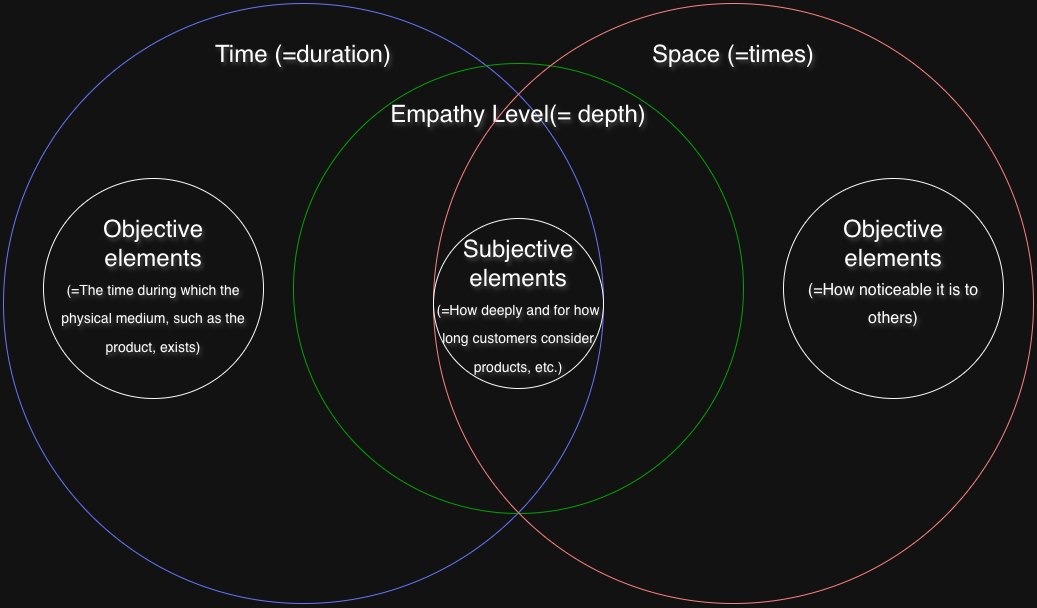
Visual lens (Time / Space / Empathy depth) — the conceptual model behind the experiment:
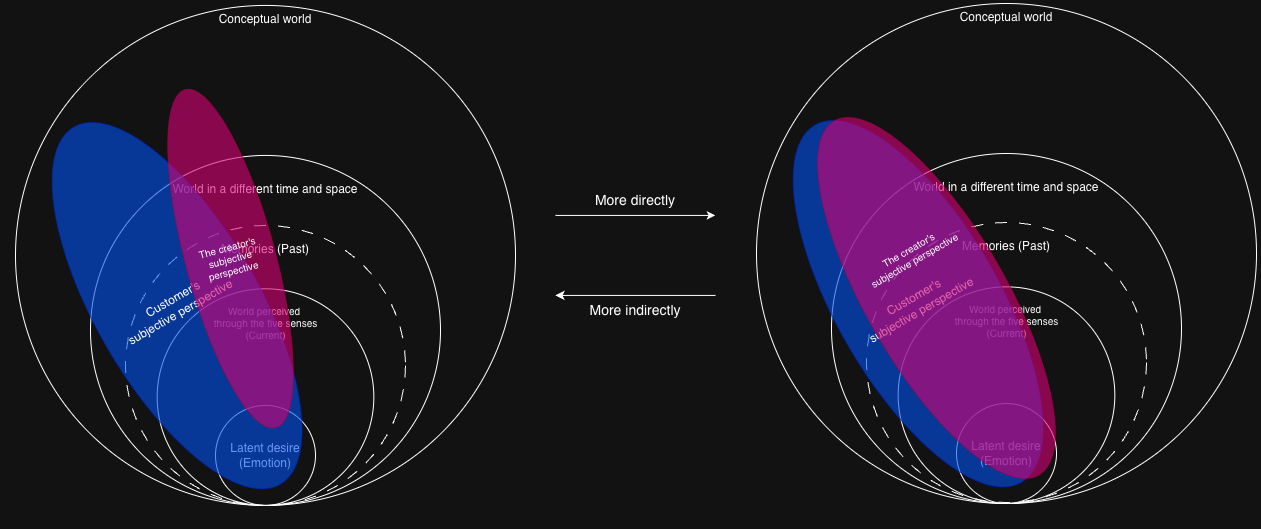
(Optional additional diagram: direct vs indirect background alignment)
What I’m not trying to do (to keep scope tight)
- Not proposing an identity / reputation scoring system.
- Not trying to define a universal “value metric”.
- Not claiming onchain meaning should be globally ranked by the protocol.
The question (feedback I’m specifically looking for)
If we treat these as UX primitives (timestamped commitments + later aggregation), what is the minimum acceptable anti-spam / abuse-control boundary you’d require?
For example, which baseline would you consider reasonable:
- fee-only (natural cost),
- rate-limits,
- stake / deposit with slashing,
- allowlist / attesters,
- offchain moderation for visibility + onchain neutrality,
- something else?
If you’ve seen prior art (EIPs / existing protocols) that tried similar “context / meaning / declaration” primitives, pointers would be hugely appreciated.
Thanks!